1. Rocks:
* Igneous Rocks: Formed from the cooling and solidification of molten rock (magma or lava). Examples: granite, basalt, obsidian.
* Sedimentary Rocks: Formed from the accumulation and cementation of sediments (like sand, mud, and shells). Examples: sandstone, limestone, shale.
* Metamorphic Rocks: Formed when existing rocks are transformed by heat, pressure, or chemical reactions. Examples: marble, slate, gneiss.
2. Soil:
* A mixture of weathered rock fragments, organic matter, water, and air. It's crucial for plant life and plays a vital role in the Earth's ecosystem.
3. Water:
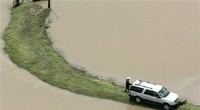
* Covers about 71% of Earth's surface, including oceans, lakes, rivers, and glaciers. It shapes the landscape through erosion, transportation, and deposition.
4. Ice:
* In the form of glaciers and ice sheets, ice carves landscapes, erodes mountains, and shapes valleys.
5. Atmosphere:
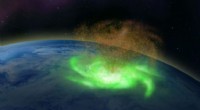
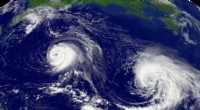
* The layer of gases surrounding Earth, primarily composed of nitrogen and oxygen. It influences weather patterns and climate, and its interaction with the surface contributes to weathering and erosion.
6. Living Organisms:
* Plants, animals, and microorganisms contribute to soil formation, weathering, and the creation of landscapes. They influence the composition and distribution of other materials on Earth's surface.
7. Human Activities:
* Humans have a significant impact on Earth's surface through land use, urbanization, mining, agriculture, and other activities that modify the landscape.
Processes shaping Earth's surface:
* Weathering: The breakdown of rocks, soil, and minerals by physical and chemical processes.
* Erosion: The transport of weathered material by wind, water, or ice.
* Deposition: The settling of eroded material in new locations.
* Plate Tectonics: The movement of Earth's tectonic plates causes earthquakes, volcanic eruptions, and the formation of mountains and ocean basins.
* Volcanism: The eruption of molten rock (magma) onto Earth's surface, creating new landforms and releasing gases into the atmosphere.
These components and processes constantly interact, creating the diverse and dynamic landscape we see on Earth's surface.