1. Water:
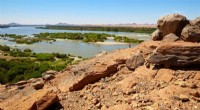
* Traction: Larger sediments like pebbles and boulders are rolled or dragged along the streambed by the force of flowing water. This is the most common way for larger sediments to move.
* Saltation: Sand grains bounce along the streambed, propelled by the force of the water. These grains are too heavy to be suspended but not heavy enough to be dragged continuously.
* Suspension: Fine sediments like silt and clay are carried within the water column, suspended by the water's turbulence.
* Solution: Some minerals, like limestone, are dissolved in the water and transported as dissolved ions.
2. Wind:
* Saltation: Similar to saltation in water, sand grains are lifted and bounced along the ground by the wind.
* Suspension: Dust and fine sand are suspended in the air and transported over long distances by the wind.
3. Ice:
* Glacial Transport: Glaciers act like giant conveyor belts, carrying a wide range of sediment sizes, from boulders to fine silt, embedded within the ice. This transported material is known as glacial till.
4. Gravity:
* Mass Wasting: Gravity plays a significant role in the transportation of sediment through processes like landslides, rockfalls, and soil creep.
Factors Influencing Sediment Transport:
* Sediment Size and Density: Larger, denser sediments require more energy to transport.
* Fluid Velocity: Higher velocity water, wind, or ice will transport larger and heavier sediments.
* Fluid Density: Denser fluids (like water vs air) can carry more sediment.
* Slope: Steeper slopes result in faster movement and greater transportation capacity.
The method and extent of sediment transport influence the final depositional environment and the resulting sedimentary rock types.