Here's why:
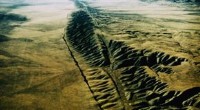
* Normal Faults: These faults occur when the hanging wall (the block of rock above the fault) moves down relative to the footwall (the block of rock below the fault). This downward movement stretches the crust, creating a valley.
* Formation Process: As the crust is stretched, it fractures along normal faults. The blocks that are uplifted between these faults become the fault-block mountains, while the valleys form between them.
Key Features of Fault-Block Mountains:
* Steep, rugged slopes: The uplifted blocks create steep, often cliff-like slopes.
* Flattened summits: The top of the uplifted blocks can be relatively flat due to erosion.
* Graben and Horsts: Fault-block mountains often occur in alternating patterns of downthrown blocks (grabens) and uplifted blocks (horsts).
Examples:
* Sierra Nevada Mountains (California): A classic example of a fault-block mountain range.
* Wasatch Range (Utah): Another prominent example of fault-block mountains.
Other types of faults are not associated with fault-block mountains:
* Reverse Faults: Involve the hanging wall moving up relative to the footwall, compressing the crust and forming folded mountains.
* Strike-Slip Faults: Involve horizontal movement of the blocks along the fault, creating lateral shifts in the landscape.