1. The Organism Dies: The process starts when an organism dies. This could be anything from a tiny insect to a giant dinosaur.
2. Rapid Burial: The key to fossilization is quick burial. This prevents the organism from being scavenged, decomposed by bacteria, or destroyed by weathering. Here's how it might happen:
* Water Burial: An organism dies in a river, lake, or ocean, and sediment quickly buries it.
* Volcanic Ash: Volcanic eruptions can blanket an area with ash, preserving organisms under the layers.
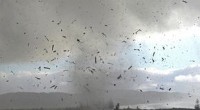
* Sandstorms: Sandstorms can bury organisms in deserts.
3. Mineralization: Over time, the organic matter (bones, shells, etc.) is gradually replaced by minerals from the surrounding sediment. This is called permineralization. Water carrying dissolved minerals seeps through the pores of the remains, depositing the minerals as the water evaporates.
4. Sedimentation: More layers of sediment accumulate on top of the buried remains. The weight of these layers compresses the sediment, turning it into rock. This process is called lithification.
5. Erosion and Exposure: Millions of years later, erosion (wind, water, etc.) may expose the rock layers containing the fossilized remains.
Types of Fossils:
* Body Fossils: Preserved remains of the organism itself, like bones, shells, teeth, or even soft tissues.
* Trace Fossils: Preserved evidence of the organism's activity, such as footprints, burrows, nests, or dung.
Important Factors:
* Environment: Certain environments are more conducive to fossilization than others. For example, marine environments with abundant sediment are ideal for preserving shells.
* Time: Fossilization is a very slow process that takes millions of years.
* Decomposition: The speed of decomposition influences the chances of fossilization. Hard parts like bones and shells are more likely to be preserved than soft tissues.
Fossil Discovery:
Paleontologists search for fossils in sedimentary rocks, looking for clues about past life and environments. They use tools like hammers, chisels, and brushes to carefully extract fossils from the rock.