* The Rock Cycle: The transition between rock types is a key concept in geology. It happens through a series of processes called the rock cycle. An igneous rock, formed from cooling magma or lava, can be broken down by weathering and erosion into sediment. This sediment is then transported and deposited, eventually forming a sedimentary rock.
* Time Scale: The transition from igneous to sedimentary rock is a long process, happening over millions of years. Erosion, transportation, and deposition of sediment are gradual, and it takes significant time for enough sediment to accumulate and lithify (turn into rock).
* Observation Challenges:
* Direct Observation: We cannot directly observe this transition in real-time, as it occurs over such vast time scales.
* Incomplete Records: The geologic record is often incomplete, meaning we might only see the final sedimentary rock and not the intermediate stages of the transition.
* Specific Examples: While we don't have a direct visual record of one specific rock transforming, we can see the different stages of the cycle in nature. We can observe igneous rocks being eroded, sedimentary rocks being deposited, and evidence of these processes happening throughout geologic history.
What can we see:
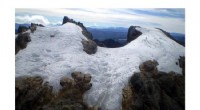
* Weathered Igneous Rocks: We can see igneous rocks that have been weathered and eroded, showing the first stage of the transition.
* Sedimentary Rocks with Igneous Clasts: We can find sedimentary rocks that contain fragments of igneous rocks (clasts), indicating that igneous rocks were the source material.
* Fossil Evidence: Sedimentary rocks often contain fossils, providing evidence of the environments and conditions that were present during their formation. This can help us understand the history of a region and the potential for igneous rock transition.
In summary, while we can't witness the transition from igneous to sedimentary rock in real-time, we can see evidence of the process throughout geologic history. The rock cycle is a continuous process, and the transition between rock types is a key part of this cycle.