1. Viscosity and Eruption Style:
* High Viscosity: Magma with high viscosity (think thick honey) resists flow and traps gases. This leads to:
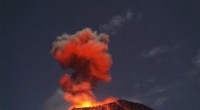
* Explosive eruptions: Gas pressure builds up until it violently releases, causing powerful explosions and ash plumes. Examples: Plinian eruptions, Pelean eruptions.
* Lava domes: Highly viscous magma oozes out slowly, building up a dome-shaped structure. These domes can be unstable and collapse, generating pyroclastic flows.
* Low Viscosity: Magma with low viscosity (like water) flows easily and allows gases to escape. This leads to:
* Effusive eruptions: Lava flows steadily from the vent, creating lava flows and shield volcanoes. Examples: Hawaiian eruptions, Icelandic eruptions.
2. Viscosity and Hazard:
* High Viscosity: The trapped gases in highly viscous magma can generate:
* Pyroclastic flows: Hot, fast-moving currents of gas and rock fragments.
* Ash plumes: Vast clouds of volcanic ash that can travel long distances and disrupt air travel, cause respiratory problems, and damage infrastructure.
* Low Viscosity: While generally less hazardous, low-viscosity eruptions can still pose threats:
* Lava flows: These can destroy infrastructure and cause significant damage.
* Gas emissions: Can release harmful gases like sulfur dioxide, affecting air quality and potentially leading to acid rain.
Factors Influencing Viscosity:
* Composition: Magmas with higher silica content (e.g., rhyolite) are more viscous than those with lower silica content (e.g., basalt).
* Temperature: Hotter magma is less viscous.
* Gas content: Gases dissolved in magma decrease viscosity.
In Summary:
Viscosity is a key factor determining the intensity and style of a volcanic eruption. It influences the potential hazards by affecting the build-up of gas pressure, the speed of lava flows, and the type of volcanic products released.