1. Subduction Initiation:
* The denser oceanic plate (carrying the terrane) starts to slide beneath the less dense continental plate.
* This creates a subduction zone, marked by a deep trench along the ocean floor.
2. Terrane Accretion:
* As the oceanic plate subducts, the terrane (a piece of crust distinct from the surrounding plate) is scraped off the descending plate.
* This process, called accretion, adds the terrane to the edge of the continental plate.
3. Mountain Building:
* The collision and scraping of the terrane against the continental plate leads to intense folding, faulting, and uplift.
* This can result in the formation of mountain ranges.
4. Metamorphism:
* The immense pressure and heat generated at the subduction zone transform the rocks of both the terrane and the continental crust.
* This process, called metamorphism, creates new minerals and textures, changing the original rock types.
5. Magmatism and Volcanic Activity:
* The subducting plate carries water and sediments down into the mantle.
* This water lowers the melting point of the mantle rocks, leading to magma generation.
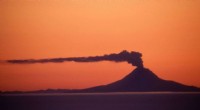
* The magma rises to the surface, producing volcanic activity either along the continental margin or in the terrane itself.
6. Crustal Thickening:
* The accretion of the terrane and the associated mountain building process significantly thicken the continental crust.
7. Geological Complexity:
* The incorporation of a terrane into a continent can add a diverse range of rocks, minerals, and structures to the continental crust.
* This geological complexity is often reflected in the diversity of landscapes and resources found in regions affected by terrane accretion.
Examples:
* The North American Cordillera (Rocky Mountains, Sierra Nevada, etc.) is a prime example of a mountain range formed by terrane accretion.
* The accreted terranes in this region have contributed to the vast mineral deposits and diverse geological features of the western United States.
In summary:
The subduction of a tectonic plate carrying a terrane under continental crust is a complex process that leads to significant geological changes, including mountain building, metamorphism, magmatism, and the addition of new crustal material. This process plays a vital role in shaping Earth's continents and geological landscapes.