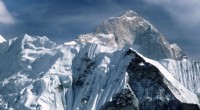
1. Shield Volcanoes: These are large, broad volcanoes with gently sloping sides. They are formed by eruptions of very fluid, basaltic lava that flows for long distances. Examples include Mauna Loa in Hawaii.
2. Cinder Cone Volcanoes: These are small, cone-shaped volcanoes made up of loose pyroclastic material (cinders, ash, and volcanic bombs) ejected from a single vent. They tend to have short, explosive eruptions. Examples include Paricutin in Mexico.
3. Composite (Strato) Volcanoes: These are tall, cone-shaped volcanoes with steep slopes made up of alternating layers of lava flows and pyroclastic material. They have more viscous magma than shield volcanoes and are known for their explosive eruptions. Examples include Mount Fuji in Japan and Mount Vesuvius in Italy.