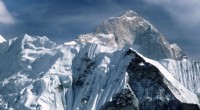
* Collision of tectonic plates: The Himalayas formed due to the collision of the Indian and Eurasian tectonic plates. This collision causes the Earth's crust to buckle and fold, creating the towering mountains.
* Magma generation: The immense pressure and heat generated by this collision can melt rock in the Earth's mantle, creating magma. This magma can then rise to the surface through fissures in the Earth's crust, resulting in volcanic eruptions.
* Volcanic activity: While the Himalayan region is known more for its towering peaks than active volcanoes, there is evidence of past volcanic activity. Volcanic rocks, solidified magma, and volcanic ash can be found throughout the Himalayas.
* Subduction zone: The Indian plate is subducting beneath the Eurasian plate, meaning it is diving beneath the other plate. This process can trigger melting in the mantle and lead to the formation of volcanic arcs. While these arcs are primarily located further south, they still contribute to the volcanic history of the Himalayas.
Therefore, it's not surprising to find volcanic rock in the Himalayas, even though the region is not currently known for its active volcanoes. The geological history of the Himalayas is deeply intertwined with volcanic activity due to the ongoing collision of tectonic plates.