1. Fronts:
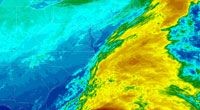
* Cold Front: A cold air mass pushes into a warm air mass, lifting the warm air and creating:
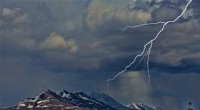
* Thunderstorms: Especially potent when the temperature difference is significant, leading to strong updrafts and potential for hail, tornadoes, and heavy rain.
* Strong Winds: The cold air mass can bring gusts and shifts in wind direction.
* Temperature Drop: A noticeable and sometimes rapid cooling.
* Warm Front: A warm air mass pushes into a cold air mass, lifting the cold air and creating:
* Steady Rain: As the warm air rises, it cools and releases moisture.
* Fog: Can form as the warm air cools and condenses near the ground.
* Rising Temperatures: The warm air brings gradual warming.
* Stationary Front: Two air masses meet but neither is strong enough to displace the other, leading to:
* Persistent Precipitation: Can last for days, especially if there's a source of moisture available.
* Clouded Skies: Limited sunshine due to the ongoing interaction between the air masses.
2. Other Weather Phenomena:
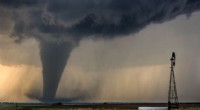
* Severe Thunderstorms: The Great Plains is known for its "Tornado Alley" due to the frequent clash of air masses. Severe thunderstorms can bring heavy rain, large hail, damaging winds, and tornadoes.
* Hail: Often associated with thunderstorms, particularly in the springtime and summer.
* Drought: Periods of dry air can persist if one air mass remains dominant, leading to dry conditions and potential for wildfires.
* Blizzards: In the winter, a cold air mass meeting a warm air mass can create blizzard conditions with strong winds, heavy snowfall, and low visibility.
3. Impact on Agriculture:
* Benefits: Rainfall from fronts can be crucial for crops in the Great Plains, providing needed moisture.
* Challenges: Severe storms can damage crops and livestock, while droughts can lead to crop failure and water shortages.
4. Factors Influencing Weather:
* Air Mass Characteristics: The temperature and moisture content of each air mass significantly impacts the weather.
* Season: Different seasons bring different types of air masses and weather patterns.
* Terrain: The Great Plains' flat geography can allow air masses to move freely, leading to larger and more impactful weather systems.
The Great Plains is a region known for its dynamic and often unpredictable weather. The interaction of different air masses drives a wide variety of weather events, impacting everything from agriculture to daily life. Understanding these interactions is crucial for understanding the region's weather and preparing for its potential extremes.