Terrestrial planets are rocky planets with a solid surface, like Earth, Mars, Venus, and Mercury. While they primarily consist of rock and metal, they also have an atmosphere, although the composition and density of these atmospheres vary significantly between planets.
Here's a breakdown:
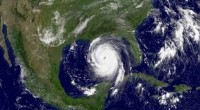
* Earth: Earth has a relatively thick atmosphere composed primarily of nitrogen and oxygen. This atmosphere provides us with breathable air, protects us from harmful solar radiation, and regulates our planet's temperature.
* Mars: Mars has a very thin atmosphere, mainly composed of carbon dioxide. It's far less dense than Earth's atmosphere and can't effectively retain heat, leading to the cold Martian climate.
* Venus: Venus has an extremely dense and toxic atmosphere, dominated by carbon dioxide. This thick atmosphere traps heat, creating a runaway greenhouse effect and making Venus the hottest planet in our solar system.
* Mercury: Mercury has a very thin, almost negligible atmosphere called an exosphere. It's composed primarily of sodium, potassium, and hydrogen, and it's constantly being lost to space due to the planet's weak gravity.
While all terrestrial planets have atmospheres, the composition and thickness vary significantly, influencing the planet's climate, habitability, and overall appearance.