Geological Events:
* Formation of Pangaea: The supercontinent Pangaea formed during the early Permian, uniting all the major landmasses of the Earth. This massive landmass had a profound impact on global climate, ocean circulation, and evolution.
* Volcanic Activity: Intense volcanic activity occurred throughout the Permian, contributing to climate change and the release of greenhouse gases. This activity is linked to the formation of the Siberian Traps, a massive igneous province that is now part of Siberia.
* Sea-level Fluctuations: The Permian saw significant fluctuations in sea levels. These changes were driven by various factors, including tectonic activity, glaciation, and climate change.
Biological Events:
* Rise of the Synapsids: The Synapsids, a group of amniotes that includes mammals, became increasingly diverse and dominant during the Permian. Some synapsids, like the Dimetrodon, developed large sails on their backs, which may have been used for thermoregulation or display.
* Diversification of Tetrapods: Tetrapods, four-legged vertebrates, continued to diversify and evolve during the Permian. This included the appearance of early reptiles, including the ancestors of modern turtles, lizards, and snakes.
* Emergence of the First True Mammals: The Permian saw the emergence of the first true mammals, small, shrew-like creatures that were likely nocturnal insectivores.
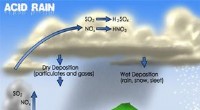
* The Great Permian Extinction: The Permian ended with the most severe extinction event in Earth's history, wiping out over 90% of marine species and 70% of terrestrial vertebrate species. This event, also known as the "Great Dying," is thought to have been caused by a combination of factors, including massive volcanic eruptions, ocean acidification, and climate change.
Other Notable Events:
* Formation of Coal Deposits: Extensive coal deposits were formed during the Permian period, as vast swamps and forests flourished in the warm, humid climate.
* Evolution of Specialized Plant Life: The Permian saw the evolution of specialized plant life, including the development of conifer forests and the rise of the seed ferns.
The Permian period was a time of dramatic change, setting the stage for the Triassic period and the subsequent evolution of dinosaurs and other important groups of animals. The events of this time, especially the Great Permian Extinction, continue to fascinate and challenge scientists today.