1. Saturated Soil: The ground needs to be saturated with water, meaning the spaces between soil particles are filled with water. This is common in areas with high groundwater levels or recent rainfall.
2. Loose Soil: The soil needs to be loose and granular, like sand or silt. This allows the water to flow freely between the particles. Clayey soils, which are more cohesive, are less susceptible to liquefaction.
3. Shaking: Strong seismic waves, like those caused by earthquakes, create a rapid increase in water pressure within the saturated soil. This pressure pushes the soil particles apart, effectively reducing their contact and therefore their strength.
4. Loss of Strength: As the soil particles lose their ability to support weight, the ground behaves more like a liquid. This can cause structures built on top of the soil to sink, tilt, or even collapse.
Here's a simplified analogy:
Imagine a bucket of sand with water poured into it. If you shake the bucket vigorously, the sand will become loose and the water will rise to the surface. This is similar to what happens in the ground during liquefaction. The shaking causes the water to move upward, reducing the friction between the soil particles and causing the ground to behave like a liquid.
Consequences of Liquefaction:
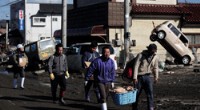
* Building damage: Buildings and other structures can sink, tilt, or collapse.
* Landslides: Slopes can become unstable and slide.
* Ground settlement: The ground can settle unevenly, leading to damage to roads, pipelines, and other infrastructure.
* Flooding: Liquefaction can cause water to rise to the surface, leading to flooding.
Preventing Liquefaction:
* Proper soil compaction: Compacting loose soils before construction can help prevent liquefaction.
* Ground improvement techniques: Techniques such as grouting or installing drainage systems can help to reduce the water pressure in the ground.
* Seismic design: Buildings can be designed to be more resistant to the effects of liquefaction.
Liquefaction is a complex phenomenon that can have devastating consequences. It's important to understand the factors that contribute to liquefaction and to take steps to mitigate its risks.