Here's how lava flows can impact agriculture in Hawaii:
* Direct Burial: Lava flows can bury farmland, destroying crops and infrastructure. This makes the land unusable for agriculture in the short term.
* Soil Contamination: The heat from lava flows can alter the chemical composition of soil, making it less fertile and potentially harmful to crops.
* Ash Fallout: Volcanic eruptions can release ash that settles on farmland, damaging crops and livestock.
* Air Pollution: Volcanic gases like sulfur dioxide can harm crops and livestock, leading to reduced yields and even death.
* Water Contamination: Lava flows can contaminate water sources, making them unsuitable for irrigation and potentially endangering livestock.
* Displacement: Volcanic eruptions can displace farmers and livestock, leading to economic hardship and disruption of agricultural practices.
However, it's also important to note that:
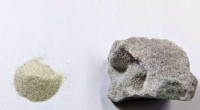
* Volcanic Soil is Fertile: Volcanic soil is often very fertile, offering potential for agriculture after a volcanic eruption.
* Recovery is Possible: While the immediate impacts are significant, agriculture can recover over time with proper soil rehabilitation and crop selection.
Therefore, the impact of lava flows on agriculture in Hawaii is complex and depends on several factors, including the scale of the eruption, the location of the flows, and the type of agricultural practices in place.