Here's a breakdown of what we can talk about:
Precipitation: This is any form of water that falls from the atmosphere to the Earth's surface. This includes:
* Rain: Liquid water droplets.
* Snow: Frozen water crystals.
* Sleet: Frozen raindrops.
* Hail: Balls of ice.
Pond: A body of water that is typically smaller than a lake and shallower than a lake.
How Precipitation Affects a Pond:
* Water Source: Precipitation is the primary source of water for most ponds.
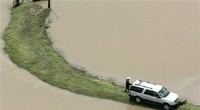
* Water Level: The amount of precipitation received can significantly impact the water level of a pond. Heavy rains can lead to flooding, while droughts can cause the water level to drop.
* Nutrient Input: Precipitation can carry nutrients like nitrogen and phosphorus into a pond. These nutrients can contribute to algae blooms and other water quality issues.
* Temperature: Heavy snow or hail can impact the temperature of the water in a pond.
So, to answer your question, "precipitation at a pond" isn't a specific measurement. It's more about the weather events that influence the pond itself.
Let me know if you have any more questions!