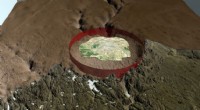
Subduction: The Driver
* What is it? Subduction is the process where one tectonic plate (the denser one) slides underneath another. This occurs at convergent plate boundaries, where plates collide.
* The Downward Journey: As the denser plate descends, it gets heated by the Earth's mantle. This causes the rocks to melt, forming magma.
* Magma Formation: The magma is less dense than the surrounding solid rock, so it rises towards the surface.
* Volcanoes: When the magma reaches the surface, it erupts, creating volcanoes.
Volcanoes: The Result
* Types of Volcanoes: Subduction zones are associated with two main types of volcanoes:
* Composite volcanoes (stratovolcanoes): These are tall, cone-shaped volcanoes with steep sides, built up by layers of lava flows, ash, and tephra. They are often associated with explosive eruptions. Examples include Mount Fuji in Japan and Mount Vesuvius in Italy.
* Island arcs: These are chains of volcanoes that form along the edge of the overriding plate, often forming islands. Examples include the Aleutian Islands in Alaska and the Japanese archipelago.
Key Points:
* Location: Volcanoes formed by subduction are typically found along the edges of continents or in ocean basins where subduction zones exist.
* Composition: Magma from subduction zones is rich in silica, which makes it thicker and more viscous, leading to explosive eruptions.
* Subduction zones are responsible for many of the most active volcanic areas on Earth.
In summary, subduction is the geological process that drives the formation of volcanoes. The melting of rocks due to the descent of the subducting plate creates magma, which rises to the surface and erupts, forming volcanic features.