Factors Contributing to Rockslides:
1. Slope Angle and Stability:
* Steep slopes: The steeper the slope, the greater the force of gravity pulling the rock downward.
* Rock type and structure: Some rocks are more prone to breaking and sliding than others. For example, fractured, layered, or weathered rocks are more susceptible.
* Joints, faults, and fractures: These weaknesses in the rock provide pathways for water to infiltrate and erode the rock, making it more prone to failure.
2. Weathering and Erosion:
* Freeze-thaw cycles: Water seeps into cracks in the rock and expands as it freezes, putting pressure on the rock and weakening it.
* Rain and snowmelt: Water can erode the base of a slope, making it less stable.
* Wind: Wind can erode rock faces, creating loose debris.
3. Seismic Activity (Earthquakes):
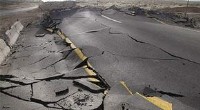
* Earthquakes can shake the ground, loosening rocks and triggering rockslides.
4. Human Activities:
* Construction: Excavating slopes or creating vibrations can destabilize the rock.
* Road building: Cutting into slopes can create unstable rock faces.
* Mining: Removing rock can destabilize surrounding slopes.
The Formation Process:
1. Weakening of the Slope: Weathering, erosion, or seismic activity weakens the rock, creating unstable conditions.
2. Triggering Event: A trigger, such as heavy rain, snowmelt, or an earthquake, initiates the slide.
3. Downward Movement: The weakened rock mass breaks loose and slides rapidly down the slope.
4. Debris Accumulation: The rock debris comes to rest at the base of the slope, creating a talus slope.
Types of Rockslides:
* Rockfall: A single rock or a small group of rocks fall from a cliff face.
* Rockslide: A large mass of rock slides downslope along a plane of weakness.
* Debris Slide: A mixture of rock, soil, and debris slides down a slope.
Understanding rockslides is crucial for:
* Hazard mitigation: Identifying areas prone to rockslides and implementing measures to prevent or minimize damage.
* Safety: Being aware of potential rockslide areas and taking precautions when traveling or living in these regions.
* Land management: Making informed decisions about land use in areas prone to rockslides.