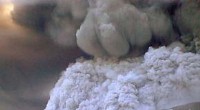
* Steep Slopes: Stratovolcanoes are known for their steep, conical slopes built up by layers of hardened lava flows, tephra (ash and rock fragments), and volcanic mudflows (lahars).
* Explosive Eruptions: These volcanoes are associated with explosive eruptions, often triggered by the buildup of pressure from viscous, gas-rich magma.
* Calderas: The "bowl" you mentioned is actually called a caldera. It forms when the summit of a volcano collapses inward after a large, explosive eruption. This collapse can be quite dramatic and leave behind a large, crater-like depression.
Examples of Stratovolcanoes:
* Mount Fuji (Japan)
* Mount Vesuvius (Italy)
* Mount St. Helens (USA)
* Mount Kilimanjaro (Tanzania)
* Mount Etna (Italy)
Key Characteristics of Stratovolcanoes:
* Composition: Primarily made of alternating layers of lava flows, tephra, and volcanic mudflows.
* Shape: Conical, with steep slopes.
* Eruption Style: Typically explosive, with viscous, gas-rich magma.
* Calderas: Often form after major eruptions due to summit collapse.
* Location: Commonly found along convergent plate boundaries, where one tectonic plate subducts (sinks) beneath another.
Stratovolcanoes pose significant hazards due to their explosive eruptions, which can release massive amounts of ash, gas, and hot rock fragments. The collapse of their summits can also lead to the formation of dangerous lahars.