1. Destruction and Renewal:
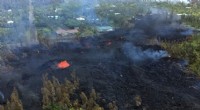
* Lava Flows: Molten rock flows can obliterate existing vegetation and animal life, creating barren landscapes. However, over time, these flows cool and weather, forming fertile soils rich in minerals, providing a foundation for new life to colonize.
* Ashfall: Volcanic ash can smother plants, impacting food chains. However, it also enriches the soil, enhancing its fertility and allowing for the growth of new vegetation.
* Pyroclastic Flows: These fast-moving, superheated flows of ash and gas can cause widespread devastation, wiping out entire ecosystems. Yet, these areas are often the first to be colonized by pioneer species, leading to a gradual succession of plant and animal life.
2. Creating New Landforms:
* Lava Domes and Craters: These formations create unique microhabitats. Lava domes can trap moisture, promoting the growth of vegetation, while craters can become lakes or wetlands, supporting diverse aquatic life.
* Volcanic Islands: Underwater volcanic eruptions can create new islands, providing a blank slate for the establishment of unique and isolated ecosystems.
3. Altering Climate:
* Ash and Gas Emissions: Volcanic eruptions can release large amounts of ash and gases into the atmosphere, potentially altering global climate patterns. While these impacts are temporary, they can influence local weather conditions and impact the survival of certain species.
4. Providing New Resources:
* Volcanic Soils: These soils, rich in minerals and nutrients, support lush vegetation and promote the growth of specific plant species.
* Geothermal Activity: Volcanic areas often exhibit geothermal activity, providing heat and energy sources that can be utilized by animals and plants.
Examples of Volcanic Habitat Change:
* Hawaiian Islands: Formed by volcanic eruptions, these islands showcase diverse habitats, from volcanic deserts to lush rainforests.
* Mount St. Helens: After the devastating 1980 eruption, the landscape was drastically altered, leading to a gradual but remarkable ecological recovery.
* Yellowstone National Park: Known for its geysers and hot springs, this park is a testament to the ongoing influence of volcanic activity on ecosystems.
Overall, volcanoes are powerful forces that can transform landscapes and create new opportunities for life. While their initial impacts can be devastating, they also pave the way for the emergence of unique and diverse ecosystems.