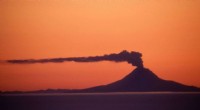
* Magma and Lava: Volcanoes erupt molten rock called magma (underground) or lava (above ground). This molten rock is a complex mixture of various elements and compounds.
* Cooling and Crystallization: As the magma or lava cools, the atoms within it begin to slow down and arrange themselves into organized structures called crystals. This process is called crystallization.
* Mineral Formation: These crystals represent different minerals. The specific minerals that form depend on the chemical composition of the magma or lava and the cooling conditions.
Examples of Minerals Formed by Volcanic Activity:
* Quartz: A common mineral found in many volcanic rocks.
* Feldspar: Another abundant mineral in igneous rocks, which are rocks formed from cooled magma or lava.
* Olivine: A green mineral often found in volcanic rocks like basalt.
* Pyroxene: A group of minerals frequently found in volcanic rocks.
Important Note: While volcanic eruptions are a significant source of mineral formation, minerals can also form in other ways, such as through:
* Metamorphism: When existing rocks are transformed by heat and pressure.
* Sedimentary processes: When minerals precipitate out of water or are cemented together.
* Hydrothermal activity: When hot, mineral-rich water interacts with rocks.