Geography and Climate:
* Location: The subarctic region is located in the Northern Hemisphere, encircling the Arctic Circle. It stretches across northern parts of North America, Europe, and Asia.
* Climate: Characterized by long, cold winters with average temperatures below freezing for several months, and short, cool summers.
* Precipitation: Typically receives moderate precipitation, mostly in the form of snow during winter.
* Landforms: Dominated by vast boreal forests, tundra, and permafrost. Features include mountains, plateaus, and extensive river systems.
Flora and Fauna:
* Adaptations: Plants and animals have evolved unique adaptations to survive the harsh climate, such as thick fur, hibernation, and seasonal migration.
* Boreal Forests: Home to a variety of coniferous trees like spruce, fir, and pine, as well as animals like moose, caribou, wolves, and bears.
* Tundra: Characterized by low-growing vegetation, including mosses, lichens, and dwarf shrubs. Inhabitant animals include arctic foxes, reindeer, and lemmings.
Human Impact:
* Indigenous Peoples: The subarctic has been home to indigenous communities for centuries, with unique cultures and traditions adapted to the environment.
* Resource Extraction: The region holds significant mineral resources, including oil, gas, and diamonds, leading to increased industrial development and environmental concerns.
* Climate Change: The subarctic is highly vulnerable to climate change, experiencing faster warming rates than other parts of the world, impacting permafrost thawing and ecosystem shifts.
Other Interesting Facts:
* Northern Lights: The subarctic is a prime viewing location for the Aurora Borealis, a spectacular natural light show caused by charged particles from the sun interacting with the Earth's atmosphere.
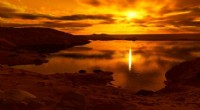
* Midnight Sun: During summer, the sun remains above the horizon for 24 hours in certain parts of the subarctic, resulting in a unique phenomenon known as the midnight sun.
* Permafrost: The ground remains permanently frozen for at least two years, impacting infrastructure and ecosystem processes.
Remember: The subarctic is a diverse and fascinating region, with unique challenges and opportunities. Understanding these facts helps us appreciate the beauty, resilience, and importance of this critical ecosystem.