1. Lowering the Melting Point:
* Water has a lower melting point than rock. When water gets trapped within the hot rock, it lowers the overall melting point of the rock. This makes the rock more likely to melt, even at temperatures that would normally be too low.
* This process is called flux melting and is essential for the formation of magma.
2. Increasing Pressure:
* Water trapped within the rock expands as it heats up. This expansion creates pressure within the rock, which contributes to the overall pressure building up within the magma chamber.
* This increased pressure can eventually lead to eruptions.
3. Creating Explosive Eruptions:
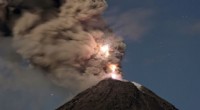
* When magma containing dissolved water rises to the surface, the water quickly vaporizes as the pressure decreases. This rapid vaporization causes a significant expansion of volume, leading to an explosive eruption.
* Volcanoes with high water content in their magma are more likely to have explosive eruptions, like those of Mount St. Helens and Krakatoa.
4. Providing Lubrication:
* Water also acts as a lubricant, making it easier for magma to move through the rock. This allows magma to rise more quickly towards the surface, potentially leading to an eruption.
Sources of Water:
* Groundwater: Water seeping down from the surface can become trapped within the hot rock.
* Crystals: Some minerals, like clays and amphiboles, contain water in their crystal structure. When these minerals are heated, they release water.
* Seawater: In some cases, seawater can be drawn into the Earth's crust through cracks and faults.
In summary, water plays a crucial role in volcanic activity by:
* Lowering the melting point of rock
* Increasing pressure within the magma chamber
* Contributing to explosive eruptions
* Facilitating the movement of magma
This makes water an essential factor in understanding and predicting volcanic eruptions.