1. Convection Currents in the Mantle:
* The Earth's mantle, a layer of hot, semi-solid rock, experiences convection currents.
* Heat from the Earth's core causes the mantle to heat up and rise, while cooler, denser mantle material sinks.
* These circular currents create drag on the overlying tectonic plates, pulling them along.
2. Slab Pull:
* At subduction zones, where denser oceanic plates sink beneath continental plates, the weight of the descending plate pulls the rest of the plate along.
* This downward force is known as "slab pull."
3. Ridge Push:
* At mid-ocean ridges, where new oceanic crust is created, the rising magma pushes the plates apart.
* This outward force is known as "ridge push."
4. Gravity:
* The weight of the plates themselves contributes to their movement, especially at subduction zones.
* Gravity pulls the heavier plate downwards, further driving the plate motion.
5. Friction:
* Friction between the plates and the underlying mantle can both resist and contribute to movement.
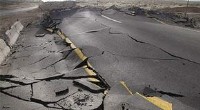
* While friction can slow down plate motion, it can also create stress and strain, ultimately leading to earthquakes and volcanic activity.
Important to note:
* Plate movement is a slow process, happening at a rate of a few centimeters per year.
* The combined forces of convection, slab pull, ridge push, and gravity create the dynamic movements that shape Earth's continents and oceans.
* Over millions of years, these slow movements can result in vast changes in the Earth's surface, including the formation of mountains, volcanoes, and ocean basins.
In summary, the movement of tectonic plates is a complex process driven by a combination of forces within the Earth's interior. The interaction of these forces creates the geological features we observe on the Earth's surface.