1. Location on a Plate Boundary:
* Central America sits on the boundary between the North American and Caribbean tectonic plates. These plates are constantly moving, pushing against each other and creating immense pressure.
* The Caribbean Plate is subducting (diving) beneath the North American Plate, creating a subduction zone. This process generates significant friction and heat, leading to the release of seismic energy as earthquakes.
2. Volcanic Activity:
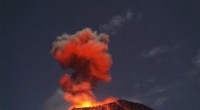
* The subduction zone also fuels volcanic activity in the region.
* The magma generated from melting rocks in the subduction zone rises to the surface, forming volcanoes.
* These volcanoes are often associated with earthquakes due to the movement of magma and the shifting of the earth's crust.
3. Fault Zones:
* The intense tectonic forces along the plate boundary have created numerous faults in the region.
* These faults are fractures in the Earth's crust where rocks move past each other.
* When the pressure on these faults becomes too great, they rupture and release energy as earthquakes.
4. Seismic History:
* Central America has a long history of strong earthquakes. This is because the region is constantly being squeezed and stretched by the tectonic forces.
* Historical records indicate that major earthquakes have occurred in the region for centuries, highlighting the vulnerability of the area.
5. Specific Examples:
* The Central American Volcanic Arc stretches along the Pacific coast and is a major source of earthquakes and volcanic eruptions.
* The Motagua Fault in Guatemala is a major fault system that has generated powerful earthquakes in the past.
In summary, the frequent earthquakes in Central America are a consequence of its location on a highly active tectonic plate boundary, the ongoing subduction process, volcanic activity, and the presence of numerous fault zones. These factors create a dynamic and unstable geological environment prone to seismic activity.