* Convection: Think of a pot of water boiling on the stove. The heat from the bottom causes the water to rise, cooler water sinks to take its place, and the process repeats.
* Mantle Convection: The Earth's mantle behaves similarly.
* Heat Source: Heat from the Earth's core and the decay of radioactive elements within the mantle itself creates a temperature gradient.
* Hotter Material Rises: Hotter, less dense material in the mantle rises.
* Cooler Material Sinks: Cooler, denser material sinks.
* Convection Cells: These rising and sinking movements create large-scale convection cells within the mantle.
What Moves?
It's not just a simple "up and down" motion. These convection currents are responsible for:
* Plate Tectonics: The movement of these currents drags the tectonic plates on the Earth's surface, causing earthquakes, volcanoes, and mountain ranges.
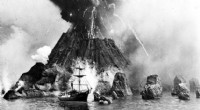
* Mantle Plumes: Hot plumes of mantle material can rise up through the mantle, leading to volcanic activity at the surface.
* Mantle Circulation: The entire mantle is constantly in motion, circulating material over millions of years.
Key Points to Remember:
* Convection currents are the driving force behind mantle circulation.
* The mantle is made of hot, solid rock that can flow very slowly over long periods.
* This movement has a profound impact on the Earth's surface and the processes that shape it.