Extinct Volcanoes
* Definition: Volcanoes that are considered unlikely to erupt again.
* Characteristics:
* No historical record of eruptions.
* Show significant erosion and weathering, lacking a clear cone shape.
* Often have a plugged vent or lack a magma chamber.
* Examples: Shiprock, New Mexico (USA), Mount Kilimanjaro (Tanzania)
Dormant Volcanoes
* Definition: Volcanoes that have not erupted recently but are still considered capable of erupting in the future.
* Characteristics:
* No recent eruptions (typically centuries or millennia).
* Might show signs of activity like fumarolic vents (releasing steam and gases).
* May have a partially filled magma chamber.
* Examples: Mount Fuji (Japan), Mount Vesuvius (Italy)
Active Volcanoes
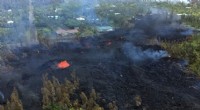
* Definition: Volcanoes that have erupted in recent history or are currently erupting.
* Characteristics:
* Frequent eruptions within the last few centuries.
* Often display signs of activity like:
* Steam and gas emissions
* Ground deformation
* Seismic activity
* Increased heat flow
* Examples: Kilauea (Hawaii, USA), Mount Etna (Italy)
Key Differences
* Eruption Potential: Active volcanoes are currently erupting or have a high likelihood of erupting. Dormant volcanoes have a lower probability of eruption, and extinct volcanoes are considered unlikely to erupt ever again.
* Time Scale: The time scale for considering a volcano dormant or extinct is often based on human history and geological time. A volcano might be dormant for thousands of years but still considered active by geologists.
Important Notes:
* Volcanoes can shift categories: An extinct volcano could become active again under certain geological circumstances.
* Volcanic activity is complex: Defining a volcano's status is not always straightforward. Scientists rely on various data and observations to make assessments.