Local Effects:
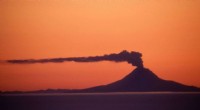
* Release of Large Quantities of Gases: Volcanoes emit a wide range of gases, including:
* Sulfur dioxide (SO2): This gas reacts in the atmosphere to form sulfuric acid, which contributes to acid rain and can damage vegetation.
* Carbon dioxide (CO2): While a greenhouse gas, volcanic CO2 emissions are relatively small compared to human-caused emissions.
* Hydrogen sulfide (H2S): A toxic gas that can cause respiratory problems.
* Nitrogen oxides (NOx): Contribute to smog and acid rain.
* Water vapor (H2O): Volcanic eruptions release large amounts of water vapor, which can contribute to localized cloud formation.
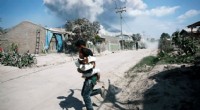
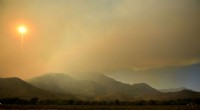
* Changes in Air Quality: The release of these gases can significantly impact local air quality, causing respiratory problems, visibility issues, and even acid rain.
Global Effects:
* Climate Change: Volcanic eruptions can inject large amounts of sulfur dioxide and ash into the stratosphere. This can:
* Create a cooling effect: Sulfate aerosols reflect sunlight back into space, leading to a temporary cooling of the Earth's surface.
* Impact atmospheric circulation: Volcanic aerosols can influence weather patterns and affect the distribution of precipitation.
* Stratospheric Ozone Depletion: Some volcanic gases, like halogens, can deplete the stratospheric ozone layer, which protects us from harmful ultraviolet radiation. However, this effect is generally small compared to the impact of human-made chemicals.
* Global Sulfur Cycle: Volcanic eruptions inject significant amounts of sulfur into the atmosphere, contributing to the global sulfur cycle. This can have a long-term impact on the Earth's climate system.
Impact on Human Health:
* Respiratory Problems: Exposure to volcanic gases like sulfur dioxide and hydrogen sulfide can cause respiratory problems, particularly in individuals with existing respiratory conditions.
* Acid Rain: Volcanic eruptions can contribute to acid rain, which can damage vegetation and buildings.
* Ashfall: Volcanic ash can cause respiratory problems and damage crops and infrastructure.
Important Note: While volcanic activity can impact atmospheric composition, human activities have a far greater impact on the global climate system. For example, human-caused emissions of greenhouse gases far exceed those from volcanic eruptions.
Overall, volcanic activity can significantly alter the levels of gases in the air, both locally and globally. Understanding these impacts is crucial for mitigating their effects and protecting human health and the environment.