1. Convergent Boundaries: Where two plates collide. This can result in:
* Subduction: One plate dives beneath the other, forming volcanoes, deep ocean trenches, and mountain ranges.
* Continental Collision: When two continental plates collide, creating massive mountain ranges like the Himalayas.
2. Divergent Boundaries: Where two plates move apart. This creates:
* Mid-ocean ridges: Underwater mountain ranges where new oceanic crust is formed.
* Rift valleys: Land areas where the crust is being pulled apart, creating valleys and volcanoes.
3. Transform Boundaries: Where two plates slide past each other horizontally. This can cause:
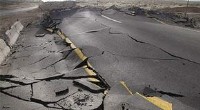
* Earthquakes: As the plates grind past each other, the friction can release energy in the form of earthquakes.
* Fault lines: Fractures in the Earth's crust where the plates have moved past each other.
These three types of plate boundaries are responsible for most of the major geological features on Earth, including mountains, volcanoes, earthquakes, and ocean trenches.