1. Adapting to Climate Change:
* Understanding Climate Patterns: Physical geography helps us understand how climate patterns change over time, allowing us to predict potential impacts and develop strategies for mitigation and adaptation.
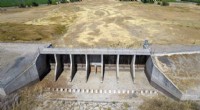
* Managing Water Resources: By analyzing rainfall patterns, groundwater availability, and water cycles, we can manage water resources effectively in the face of droughts, floods, and rising sea levels.
* Predicting Natural Disasters: Studying geological formations, weather patterns, and landforms allows for more accurate predictions of natural disasters like earthquakes, floods, and hurricanes, enabling better preparedness and evacuation plans.
2. Optimizing Land Use and Resource Management:
* Sustainable Agriculture: Understanding soil types, topography, and climatic conditions helps farmers adopt sustainable agricultural practices to maximize crop yields and minimize environmental impacts.
* Resource Extraction: Knowledge of geological formations, mineral deposits, and land use helps optimize the extraction of resources while minimizing ecological damage.
* Urban Planning: Physical geography plays a vital role in urban planning by considering factors like topography, drainage patterns, and natural hazards to create sustainable and resilient cities.
3. Promoting Environmental Awareness and Conservation:
* Ecosystem Understanding: Studying ecosystems like forests, wetlands, and oceans allows us to understand their interconnectedness and vital role in regulating climate, providing resources, and supporting biodiversity.
* Conservation Efforts: By identifying areas with high ecological value, we can prioritize conservation efforts, protect endangered species, and maintain healthy ecosystems.
* Environmental Education: Physical geography education fosters environmental awareness, critical thinking, and responsible decision-making, empowering individuals to become responsible stewards of the environment.
4. Navigating the Impact of Global Change:
* Migration and Displacement: As climate change and other global changes impact human settlements, physical geography provides insights into migration patterns, vulnerability assessments, and potential relocation strategies.
* Global Development: Understanding the physical environment is crucial for development planning, disaster response, and addressing challenges like food security and energy production in a sustainable manner.
* International Cooperation: Physical geography fosters collaboration between countries to address transboundary environmental issues like water resource management, climate change adaptation, and biodiversity conservation.
In essence, physical geography equips us with the knowledge and tools to navigate the dynamic relationship between humans and the environment, enabling us to adapt, thrive, and build a more sustainable future.