1. Shape: Volcanoes are classified by their shape and structure, which is largely determined by the type of eruption and the composition of the magma. Common shapes include:
* Cone-shaped (stratovolcanoes or composite volcanoes): These are steep-sided volcanoes built up by layers of lava flows, ash, and volcanic debris.
* Shield volcanoes: These are broad, gently sloping volcanoes formed by fluid, basaltic lava flows.
* Cinder cones: These are small, cone-shaped volcanoes built up by accumulations of volcanic cinders and ash.
* Calderas: Large, circular depressions formed by the collapse of a volcano's summit after a major eruption.
2. Eruption Style: The type of eruption, determined by the viscosity of the magma, is crucial for classification. Eruptions can be:
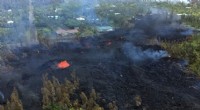
* Effusive: These eruptions involve the relatively gentle outpouring of fluid lava flows.
* Explosive: These eruptions are characterized by the violent release of hot gases, ash, and volcanic debris.
3. Volcanic Activity: Scientists also consider the volcano's current activity level. Volcanoes can be:
* Active: Volcanoes that have erupted in the last 10,000 years and are likely to erupt again.
* Dormant: Volcanoes that have not erupted in the last 10,000 years but could erupt again.
* Extinct: Volcanoes that are unlikely to erupt again.
It's important to note that these are just the main factors used in classifying volcanoes. Other factors, such as the age of the volcano, the composition of the magma, and the tectonic setting, can also play a role.