1. Evidence for Plate Tectonics:
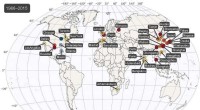
* Fossil Distribution: Similar fossils found on continents now separated by vast oceans provide strong evidence for continental drift. This supports the theory of plate tectonics, which states that the Earth's crust is divided into plates that move and interact with each other.
* Fossil Assemblages: The types of fossils found in different locations can indicate the past climate and environment of a region. This can help determine how tectonic plates have moved and interacted over time. For example, finding tropical plant fossils in a currently cold region suggests the area was once located closer to the equator.
2. Reconstruction of Past Landscapes:
* Marine Fossils on Land: Fossils of marine creatures found in mountainous regions indicate that these areas were once underwater. This suggests that tectonic uplift has occurred, pushing the seafloor upwards to form mountains.
* Terrestrial Fossils in the Sea: Conversely, finding terrestrial animal or plant fossils in marine sediments indicates that landmasses have been submerged. This can help us understand the movement and collision of tectonic plates that led to such changes.
3. Dating Geological Events:
* Index Fossils: Certain fossils, known as index fossils, are characteristic of specific geological periods. By identifying these fossils in rock layers, scientists can determine the age of the rocks and the time when certain events occurred. This helps understand the timing of tectonic movements, volcanic eruptions, and other geological phenomena.
4. Tracing the Movement of Faults:
* Fossil Displacement: Fossils found on either side of a fault line can indicate the amount of movement that has occurred along the fault. This provides evidence for the type and magnitude of tectonic activity in the region.
5. Understanding Climate Change:
* Fossil Flora and Fauna: Fossils of plants and animals can indicate the past climate of a region. By comparing these fossils to the current climate, scientists can study how tectonic activity has influenced climate change over time.
In summary, fossils provide invaluable insights into the dynamic nature of the Earth's crust, helping us understand:
* The movement and interaction of tectonic plates
* The reconstruction of past landscapes
* The dating of geological events
* The influence of tectonic activity on climate change
By studying fossils, we gain a deeper understanding of the Earth's history and the processes that have shaped our planet.