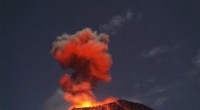
1. Pyroclastic Flows: These are fast-moving currents of hot gas and volcanic debris that can travel at speeds up to 450 mph (724 km/h). They are extremely destructive, capable of leveling entire forests and towns. The 1980 eruption of Mount St. Helens in Washington state is a prime example of the devastating power of pyroclastic flows.
2. Lahars: These are fast-moving mudflows composed of volcanic debris mixed with water. They can be triggered by heavy rainfall, the melting of snow and ice by volcanic heat, or by the collapse of volcanic flanks. Lahars can travel long distances and bury entire landscapes.
3. Volcanic Bombs: These are large pieces of volcanic rock ejected during an eruption. They can be highly destructive, causing widespread damage and casualties.
4. Ash Fall: Fine volcanic ash can be ejected into the atmosphere during an eruption and transported by winds over vast distances. Ashfall can cause significant disruption to air travel, agriculture, and infrastructure. It can also contaminate water supplies and damage buildings and crops.
5. Lava Flows: While composite volcanoes are primarily known for their explosive eruptions, they can also produce lava flows. These flows are slower moving than pyroclastic flows but can still cause significant damage to property and infrastructure.
6. Gas Emissions: Composite volcanoes release large amounts of gases during eruptions, including sulfur dioxide, carbon dioxide, and hydrogen sulfide. These gases can be harmful to human health and the environment.
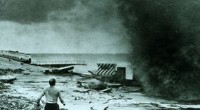
7. Tsunamis: Some composite volcanoes are located in or near the ocean. If their flanks collapse or if an eruption triggers an underwater landslide, it can generate a tsunami that can cause widespread destruction on nearby coastlines.
It's important to remember that the specific destructive forces associated with a particular composite volcano will depend on the type of eruption, the volume of material released, and the surrounding topography.