Glaciers:
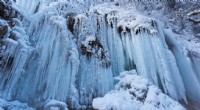
* Form from accumulated snow: Snow compacts and turns into ice over many years.
* Flow slowly: Due to gravity, glaciers move, but much slower than rivers.
* Carve landscapes: Their movement erodes and shapes the land, forming valleys, fjords, and other features.
* Store water: Glaciers hold vast amounts of water that can be released slowly, contributing to rivers and groundwater.
* Found in cold climates: They exist primarily in high altitudes and polar regions.
Rivers:
* Flowing water: Rivers are formed by the movement of water, usually from rainfall or snowmelt.
* Fast-moving: Rivers flow much faster than glaciers.
* Change course: Rivers can change their course over time due to erosion or shifts in the landscape.
* Transport sediments: Rivers carry eroded material downstream, shaping landscapes and depositing sediments.
* Found in various climates: Rivers can exist in a variety of climates, from deserts to rainforests.
In summary: Glaciers are frozen masses of ice that slowly flow and carve landscapes, while rivers are flowing bodies of water that move quickly and shape landscapes by transporting sediments.