1. The Source: Undersea Volcanoes
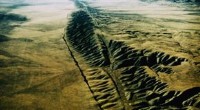
* Mid-Ocean Ridges: The majority of underwater volcanic eruptions occur along mid-ocean ridges, where tectonic plates are pulling apart. This creates cracks in the ocean floor, allowing molten rock (magma) to rise from the Earth's mantle.
* Hotspots: Some underwater eruptions also occur at hotspots, where plumes of hot magma rise from deep within the Earth's mantle. These hotspots can create volcanic islands and chains.
2. The Eruption Process:
* Magma Rises: As magma ascends, it encounters immense pressure from the surrounding ocean water. This pressure can cause the magma to fragment and explode.
* Explosive Eruptions: The interaction between hot magma and cold water creates a massive amount of steam. This steam expands rapidly, leading to explosive eruptions that send ash, rock fragments, and volcanic gases into the surrounding water.
* Pillow Lava: In some cases, the pressure from the water can cause the lava to solidify into smooth, rounded shapes known as pillow lava.
* Black Smokers: Hydrothermal vents, often associated with underwater volcanism, release hot, mineral-rich fluids that can form towering structures known as black smokers.
3. The Aftermath:
* Underwater Craters: Underwater eruptions can create craters and depressions on the seafloor.
* New Landforms: Over time, repeated eruptions can build up volcanic cones and even entire islands.
* Ocean Chemistry: Volcanic eruptions can release gases and minerals into the water, influencing ocean chemistry and creating habitats for unique marine life.
Interesting Facts:
* Volcanic Glass: Underwater eruptions can create volcanic glass (obsidian) as the lava cools rapidly.
* Oceanic Crust Formation: Underwater volcanism is a major contributor to the formation of new oceanic crust.
* Deep-Sea Ecosystems: Underwater volcanoes and hydrothermal vents support unique and diverse ecosystems, with organisms adapted to extreme conditions.
Overall, underwater lava eruptions are a powerful and complex process that shape the Earth's oceans and create unique habitats for marine life.