Here's a breakdown of the key aspects of transportation in geology:
Agents of Transportation:
* Water: The most significant agent of transportation, moving sediment through rivers, streams, oceans, and waves.
* Wind: Carries fine-grained sediment like sand and dust, creating features like sand dunes and loess deposits.
* Ice: Glaciers transport massive amounts of rock and sediment through glacial erosion and deposition.
* Gravity: Responsible for downslope movement of sediment through processes like landslides, rockfalls, and soil creep.
Factors Influencing Transportation:
* Sediment size and shape: Larger, heavier particles require more energy to be transported than smaller, lighter ones.
* Velocity of the transporting agent: Higher velocity means more energy and the ability to move larger and heavier particles.
* Distance of transportation: The distance sediment travels influences its rounding and sorting.
* Nature of the transporting medium: The density, viscosity, and turbulence of the medium affect the transportation capacity.
Consequences of Transportation:
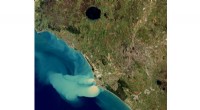
* Sediment deposition: As the transporting agent loses energy, sediment is deposited, forming landforms like river deltas, sandbars, and glacial deposits.
* Erosion and weathering: Transportation contributes to erosion by removing weathered material and exposing fresh rock surfaces to further weathering.
* Landform development: Transportation plays a crucial role in shaping landscapes, creating valleys, canyons, beaches, and other landforms.
* Sedimentation and pollution: Transportation of sediment can lead to sedimentation in waterways, affecting water quality and habitat.
Examples of Transportation:
* A river carrying sand and gravel downstream
* Wind blowing sand across a desert
* A glacier carrying boulders and rock fragments
* A landslide moving soil and rock down a slope
Understanding transportation in geology is crucial for studying the Earth's history, predicting geological hazards, and managing natural resources.