Ground Shaking:
* Seismic waves: The primary cause of damage. These waves, generated by the sudden release of energy at the earthquake's epicenter, travel through the Earth's crust and cause the ground to shake violently. The intensity of shaking depends on the earthquake's magnitude, distance from the epicenter, and the type of soil or rock underneath.
* Ground displacement: Lateral and vertical movement of the Earth's surface, often causing cracks and fissures in the ground, landslides, and even the shifting of entire landmasses.
Surface Ruptures:
* Fault lines: The point where tectonic plates meet and move against each other. Earthquakes cause the ground to rupture along these fault lines, creating visible breaks in the Earth's surface.
* Surface offsets: The ground on either side of the fault line can shift horizontally or vertically, creating significant changes in the landscape.
Landslides and Rockfalls:
* Slope instability: The shaking caused by earthquakes can destabilize hillsides and mountains, triggering landslides and rockfalls.
* Liquefaction: Loose, saturated soil can lose its strength and behave like a liquid during strong shaking, causing buildings to sink and landslides to occur.
Other Effects:
* Tsunamis: Large earthquakes occurring underwater can displace massive amounts of water, generating destructive tsunamis that can devastate coastal areas.
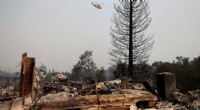
* Fires: Earthquake damage can cause gas leaks and power lines to fall, leading to fires.
* Flooding: Earthquakes can cause dams to break, leading to widespread flooding.
The intensity of these effects depends on several factors, including:
* Magnitude: The amount of energy released by the earthquake.
* Distance from the epicenter: The closer to the epicenter, the stronger the shaking and other effects.
* Geology: The type of soil or rock underlying the land can amplify or dampen seismic waves, influencing the severity of ground shaking.
Understanding these effects is crucial for mitigating earthquake risks, planning emergency responses, and building resilient infrastructure.