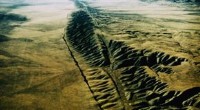
Here's how the plateaus formed:
1. Uplift: Millions of years ago, tectonic forces pushed up the Colorado Plateau, the region where the Grand Canyon is located. This uplift created a large, elevated area.
2. Erosion: After the uplift, the Colorado River and its tributaries began to carve through the plateau. Over millions of years, the river eroded the rock, creating the canyon we see today.
3. Resistant Layers: The Colorado Plateau is made up of different layers of rock, some of which are more resistant to erosion than others. The harder, more resistant layers formed the tops of the plateaus. The softer, less resistant layers eroded faster, creating the canyon walls and the distinctive layering seen in the Grand Canyon.
So, the "flatness" of the Grand Canyon's top is actually a result of:
* Resistant layers of rock that have withstood erosion, creating a relatively flat surface.
* Erosion that has sculpted the softer layers below, forming the canyon walls and creating the illusion of a flat top.
It's important to remember that the plateaus are not perfectly flat; they have slopes and undulations. But compared to the dramatic canyon walls, they appear relatively flat.