1. High-energy processes are at play:
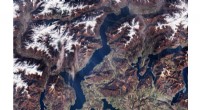
* Glacial environments: Glaciers are powerful forces that can transport and deposit enormous amounts of sediment, including boulders and cobbles. This is especially true at the terminus of a glacier, where the ice melts and releases its load.
* Mountainous rivers: Fast-flowing rivers in mountainous regions have the energy to carry large rocks and deposit them as they slow down.
* Coastal areas: Coastal erosion, particularly during storms, can break off large rocks and deposit them on beaches or in nearshore areas.
2. The source material is easily broken into large fragments:
* Outcrop of hard, resistant rock: Rocks like granite, basalt, or quartzite are less prone to weathering and erosion, leaving large chunks intact.
Examples of specific locations:
* Glacial moraines: These are ridges of sediment deposited at the edge of a glacier.
* Outwash plains: These are areas where meltwater from glaciers carries sediment and deposits it in layers.
* Riverbeds: Large boulders and cobbles can be found in the beds of rivers, especially in the upper reaches.
* Coastal cliffs: Erosion of cliffs composed of hard rock can lead to the accumulation of large boulders and cobbles at the base.
* Talus slopes: These are accumulations of rock fragments at the base of cliffs, often formed by rockfall.
Important Note: The size of the sediment also depends on the distance from the source. The further away from the source, the smaller the sediment particles will be due to weathering and abrasion during transport.