Weathering:
* Wind: Hurricane winds can cause abrasion, the wearing down of rocks and surfaces by wind-blown sand and debris. This is particularly evident in coastal areas where strong winds can erode cliffs and beaches.
* Rain: Heavy rainfall associated with hurricanes can lead to chemical weathering, such as dissolution, where rainwater dissolves soluble minerals in rocks. This process can weaken rock structures and contribute to erosion.
* Storm Surge: The surge of seawater associated with hurricanes can also cause chemical weathering by introducing saltwater that reacts with rocks and minerals, leading to their breakdown.
Erosion:
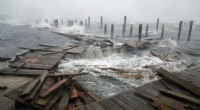
* Waves: Hurricane-driven waves can be incredibly powerful, leading to coastal erosion. They erode coastlines, beaches, and even inland areas through wave action, breaking rocks and transporting sediment.
* Wind: Strong hurricane winds can transport sand, soil, and debris inland, causing wind erosion. This can lead to sandblasting of surfaces, sand dunes formation, and soil loss.
* Rain: Heavy rainfall can cause sheet erosion, where water flows across the land surface, washing away topsoil and other materials. This is amplified by hurricane rainfall, which can lead to significant soil loss and landslides.
Deposition:
* Sand and Sediment: Hurricanes can transport vast amounts of sand and sediment, leading to deposition in new locations. This can create new landforms such as sandbars, barrier islands, and deltas.
* Debris: Hurricanes deposit debris, such as trees, buildings, and other materials, in their wake. This can accumulate in various locations, contributing to landform changes.
* Soil: Eroded soil can be deposited in new locations, leading to soil buildup and changes in soil composition.
Overall, hurricanes are significant drivers of weathering, erosion, and deposition, shaping landscapes and coastlines through the destructive power of wind, waves, and rain. Their impact can be both destructive and constructive, leading to both erosion and deposition.