Here's a breakdown:
* Formation: Craters are formed when a high-velocity object (like a meteorite) slams into the surface. The impact creates a shockwave that spreads outward, excavating and ejecting material.
* Shape: The classic crater shape is a bowl with a raised rim around the edge. The size and shape can vary greatly depending on the size and speed of the impacting object.
* Examples: We see craters on the Moon, Mars, and other planets and moons in our solar system. Earth also has craters, but many are eroded or obscured by geological processes.
Other uses of the word "crater":
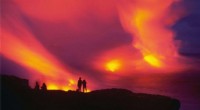
* Volcanic craters: These are depressions formed by volcanic eruptions, where lava and ash have been ejected.
* Impact craters: These are the ones formed by meteorites, asteroids, or comets.
* Crater Lake: A famous lake in Oregon, USA, formed within the caldera of a volcano.
Let me know if you have any other questions!