Landforms:
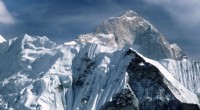
* Mountains: Plate collisions (convergent boundaries) cause mountains to rise. The Himalayas, the Andes, and the Alps are all examples of mountain ranges formed this way.
* Volcanoes: Volcanoes are most common at plate boundaries. Subduction zones (where one plate slides under another) often result in volcanic arcs, like the Ring of Fire around the Pacific Ocean.
* Ocean Trenches: Subduction zones also create deep trenches in the ocean floor, like the Mariana Trench, the deepest point on Earth.
* Mid-Ocean Ridges: At divergent boundaries where plates move apart, magma rises from the mantle, creating new oceanic crust and forming mid-ocean ridges.
* Rift Valleys: As continental plates pull apart, they create rift valleys, like the Great Rift Valley in East Africa.
Earthquakes:
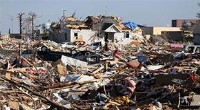
* Fault Lines: Plate movements cause stress along fault lines, where the plates slide past each other. When this stress is released, it causes earthquakes.
* Tsunamis: Underwater earthquakes can trigger massive waves known as tsunamis, which can travel thousands of miles across oceans and cause devastating damage.
Climate:
* Ocean Currents: Plate movements affect ocean currents, which play a major role in distributing heat around the globe and influencing weather patterns.
* Volcanic Eruptions: Volcanic eruptions can release ash and gases into the atmosphere, temporarily cooling the climate.
* Continental Drift: The movement of continents over millions of years has significantly altered global climate patterns.
Natural Resources:
* Mineral Deposits: Plate tectonics create the conditions for the formation of many valuable mineral deposits, including gold, copper, and diamonds.
* Petroleum and Natural Gas: The movement of plates can trap organic matter in sedimentary basins, leading to the formation of oil and natural gas reserves.
Other Effects:
* Island Formation: Volcanic activity at plate boundaries can create new islands, like the Hawaiian Islands.
* Seafloor Spreading: At mid-ocean ridges, new seafloor is constantly being created as magma rises and solidifies.
* Continental Drift: The slow but continuous movement of tectonic plates has caused continents to drift apart and collide over millions of years, shaping the Earth's surface.
Plate tectonics is a dynamic process, constantly shaping our planet. Understanding its effects is crucial for understanding a variety of geological phenomena, mitigating natural hazards, and managing Earth's resources.