1. Composition of Magma:
* Convergent Boundaries: Subduction zones at convergent boundaries generate magma that is felsic (rich in silica) due to the melting of the subducting oceanic plate. Felsic magma is thick and viscous, trapping gases like water vapor and carbon dioxide.
* Divergent Boundaries: Magma at divergent boundaries is typically mafic (rich in magnesium and iron), which is less viscous and allows gases to escape easily.
2. Dissolved Gases:
* Convergent Boundaries: The high pressure and temperatures at subduction zones allow water to be trapped within the subducting plate. When this water is released into the mantle, it lowers the melting point, generating magma. This magma contains a high concentration of dissolved gases, primarily water vapor.
* Divergent Boundaries: Magma at divergent boundaries originates from the mantle and typically has a lower dissolved gas content.
3. Pressure Buildup:
* Convergent Boundaries: The thick and viscous felsic magma traps the dissolved gases, leading to a buildup of pressure within the magma chamber. This pressure eventually overwhelms the surrounding rock, resulting in an explosive eruption.
* Divergent Boundaries: The less viscous mafic magma allows gases to escape more readily, reducing the pressure buildup and promoting less explosive effusive eruptions.
4. Eruption Style:
* Convergent Boundaries: The high gas content and viscous magma lead to explosive eruptions, characterized by pyroclastic flows, ash columns, and volcanic bombs.
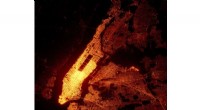
* Divergent Boundaries: The low gas content and less viscous magma result in effusive eruptions, characterized by the slow flow of lava and the formation of shield volcanoes.
In summary:
The combination of felsic magma composition, high dissolved gas content, and pressure buildup at convergent boundaries results in more explosive volcanic eruptions compared to the mafic magma, low gas content, and less pressure buildup at divergent boundaries.