Where gold is found in the Earth's crust:
* Gold Deposits: Gold is usually found in concentrated deposits within the Earth's crust. These deposits form in a few ways:
* Hydrothermal Deposits: This is the most common type. Hot water, rich in dissolved minerals, circulates through cracks in the Earth's crust. As the water cools, it deposits gold and other minerals, forming veins.
* Placer Deposits: These form when gold is weathered out of its original rock and carried downstream by rivers. The heavier gold particles settle in the riverbed, forming placer deposits.
* Lode Deposits: Gold is found within solid rock formations, often associated with other valuable minerals like copper, lead, and zinc.
Where gold is mined:
* South Africa: Currently, South Africa is the leading producer of gold.
* Australia: Australia is another major gold producer, with vast deposits in Western Australia.
* China: China has seen significant growth in gold production in recent years.
* Russia: Russia is a major gold producer, with many deposits in Siberia.
* United States: The US has significant gold deposits in Nevada, California, and Alaska.
Key points:
* Rarity: Gold is a very rare element in the Earth's crust.
* Distribution: Gold deposits are not evenly distributed, which is why certain areas are major gold-producing regions.
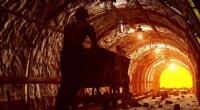
* Mining Challenges: Mining for gold can be challenging and environmentally impactful.
It's important to note that finding gold is a complex process that involves a lot of exploration, geological research, and careful mining techniques.