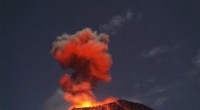
* Short-lived Eruptions: Cinder cones are formed by relatively short, explosive eruptions of basaltic lava. The lava is fragmented into small pieces called cinders or scoria, which are ejected into the air and accumulate around the vent. This eruption phase is usually brief, lasting from days to a few months.
* Rapid Erosion: Cinder cones are made of loose, unconsolidated material, which is easily eroded by wind and water. This erosion process can significantly alter the cone's shape and size over time.
* Limited Magma Supply: The eruption that forms a cinder cone is often fueled by a limited supply of magma. Once the magma is exhausted, the eruption ends, and the cone is no longer actively growing.
* Instability: Due to their steep slopes and loose structure, cinder cones are prone to collapses and landslides. These events can further erode the cone and alter its shape.
However, it's important to clarify that "short-lived" in this context refers to the period of volcanic activity associated with the cone's formation. While the cone itself may not be actively erupting, the geological features formed by these eruptions can persist for thousands or even millions of years with erosion and weathering shaping their appearance over time.
Some examples of cinder cones that have persisted for a long time include:
* Sunset Crater in Arizona: Estimated to be around 1,000 years old.
* Paricutin in Mexico: Formed in 1943 and lasted for 9 years.
Overall, while cinder cones are associated with short-lived eruptions, the geological features they create can last for significant periods, contributing to the landscape and history of a region.