Weathering:
* Physical weathering: This breaks down the igneous rock into smaller pieces without changing its chemical composition. Examples include:
* Frost wedging: Water seeps into cracks, freezes, expands, and breaks the rock apart.
* Thermal expansion and contraction: Daily temperature fluctuations cause the rock to expand and contract, leading to cracks.
* Abrasion: Wind-blown sand or rocks grinding against the surface of the igneous rock wear it down.
* Chemical weathering: This alters the chemical composition of the igneous rock. Examples include:
* Hydrolysis: Water reacts with minerals in the rock, changing their composition.
* Oxidation: Oxygen reacts with minerals in the rock, often forming oxides that are weaker and break down more easily.
* Carbonation: Carbon dioxide dissolved in water forms carbonic acid, which reacts with minerals like calcite, dissolving them.
Erosion:
* Erosion is the process of transporting weathered rock fragments from their original location. This can be caused by:
* Wind: Wind picks up small particles of weathered rock and carries them away.
* Water: Running water (rivers, streams, rain) can carry larger rock fragments and erode channels.
* Ice: Glaciers can carve out large valleys and carry away significant amounts of rock.
* Gravity: Gravity can cause landslides and rockfalls, transporting weathered rock downhill.
The Result:
* Breakdown: Weathering and erosion break down igneous rocks into smaller pieces (sediments).
* Change in mineral composition: Chemical weathering alters the mineral composition of the igneous rock, creating new minerals.
* Transportation: Erosion moves the weathered rock fragments to new locations.
* Formation of sediments: The transported sediments become part of the sedimentary rock cycle.
Examples:
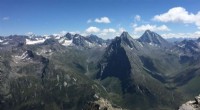
* A granite cliff weathering and eroding due to frost wedging and abrasion might form sand and smaller pebbles at its base.
* Basalt lava flows, when exposed to acidic rain, will chemically weather and erode, creating clay and other minerals.
Ultimately, weathering and erosion transform igneous rocks, contributing to the formation of new rocks and shaping Earth's surface over millions of years.