1. Physical Geographic Features:
* Landforms: These are the shapes and features of the Earth's surface, including:
* Mountains: Elevated areas with steep slopes and high peaks.
* Valleys: Low-lying areas between hills or mountains.
* Plains: Flat, expansive areas of land.
* Deserts: Arid regions with minimal rainfall and sparse vegetation.
* Oceans: Vast bodies of saltwater covering most of the Earth's surface.
* Lakes: Bodies of water surrounded by land.
* Rivers: Channels of water flowing over land.
* Canyons: Deep gorges carved by rivers.
* Glaciers: Masses of ice that move slowly over land.
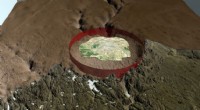
* Volcanoes: Mountains formed by eruptions of lava and ash.
* Climate: The long-term weather patterns of a region, influenced by factors like latitude, altitude, and ocean currents.
* Vegetation: The plant life of an area, determined by climate and soil conditions.
* Soil: The uppermost layer of the Earth's surface, composed of weathered rock and organic matter.
2. Human Geographic Features:
* Settlements: Places where people live, including cities, towns, and villages.
* Infrastructure: The physical systems that support human activities, such as roads, bridges, power lines, and communication networks.
* Land Use: How land is used by humans, including agriculture, forestry, mining, and urban development.
* Culture: The shared beliefs, customs, and practices of a group of people.
* Political Boundaries: Lines that divide different countries, states, or other political units.
Importance of Geographic Features:
Understanding geographic features is crucial for various reasons:
* Understanding the world: It helps us comprehend the diversity of our planet and the processes that shape it.
* Planning and Development: Information about geographic features is essential for planning infrastructure, resource management, and sustainable development.
* Environmental Protection: Knowing the characteristics of a place helps us understand its ecological value and develop strategies for conservation.
* Social and Cultural Diversity: Geographic features influence the cultures and ways of life of different populations around the world.
* Navigation and Travel: Maps and other tools that use geographic information help us navigate and understand our surroundings.
Geographic features are interconnected and constantly changing, creating a complex and fascinating landscape. Studying them provides us with a deeper understanding of our planet and the challenges and opportunities it presents.