* Marine Geologist: They study the geology of the ocean floor, including the formation, structure, and composition of underwater volcanoes. They might investigate the volcanic rocks, the surrounding sediments, and the geological processes that led to the volcano's formation.
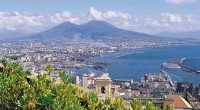
* Volcanologist: These scientists specialize in the study of volcanoes in general, including their eruptions, magma chambers, and the processes leading to eruptions. They could apply their knowledge to underwater volcanoes, studying their activity, eruption patterns, and potential hazards.
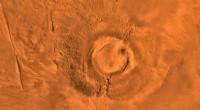
* Geophysicist: They use various geophysical methods (like seismic waves, magnetic fields, and gravity measurements) to understand the Earth's internal structure and processes. They could apply these methods to map underwater volcanoes, study their internal structure, and monitor their activity.
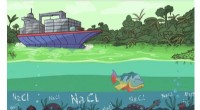
* Oceanographer: They study the physical, chemical, biological, and geological aspects of the ocean. They could investigate the impact of underwater volcanoes on ocean currents, water chemistry, and marine ecosystems.
* Marine Biologist: They study marine life and its interactions with the environment. They could research how underwater volcanoes affect the distribution and behavior of marine organisms, as well as the unique ecosystems that form around these volcanic vents.
It's worth noting that these areas often overlap, and scientists may have expertise in multiple disciplines. For example, a marine geologist might also be a volcanologist, or an oceanographer could specialize in the biological impacts of underwater volcanoes.