Here's why:
* Size and Location: The Chicxulub crater is enormous, spanning over 180 kilometers in diameter. Its size and location point to an impact event of immense power.
* Dating: The crater's age aligns perfectly with the Cretaceous-Paleogene (K-Pg) extinction event, which wiped out approximately 76% of plant and animal species on Earth, including the dinosaurs.
* Evidence of Impact: Geologists have found evidence of the impact event in the form of shocked quartz (a mineral deformed by intense pressure), tektites (glassy objects formed from melted rock), and a layer of iridium (a rare element found in asteroids) that spans the globe.
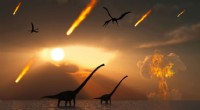
The impact of this asteroid, estimated to be around 6 miles (10 kilometers) wide, triggered a catastrophic chain of events:
* Massive Earthquakes and Tsunamis: The impact generated gigantic earthquakes and tsunamis that would have devastated ecosystems across the globe.
* Wildfires: The impact ignited widespread wildfires, which would have choked the atmosphere with smoke and ash.
* Climate Change: The dust and debris ejected into the atmosphere would have blocked out sunlight for months or even years, leading to a rapid and dramatic cooling of the planet, disrupting food chains and causing widespread extinctions.
While other factors, like volcanic activity, might have played a role in the extinction event, the Chicxulub impact is considered the dominant factor driving the dinosaurs and many other species to extinction.