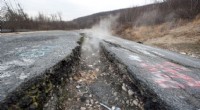
1. The Pacific Ring of Fire: This is the most active earthquake zone in the world, encompassing the Pacific Ocean basin and its surrounding landmasses. It's characterized by a high concentration of volcanoes and earthquakes. This zone includes:
* Western Americas: From Alaska through Canada, the US, and Mexico down to Chile.
* Japan, Philippines, Indonesia, and other islands in the western Pacific Ocean.
* New Zealand and parts of Oceania.
2. The Alpine-Himalayan Belt: This zone stretches from the Mediterranean Sea through the Middle East and Central Asia to the Himalayan region. It's where the Eurasian and African plates collide, causing significant seismic activity.
3. The Mid-Atlantic Ridge: This underwater mountain range marks the boundary between the Eurasian and North American plates. It's a site of active volcanism and frequent earthquakes.
4. The East African Rift Valley: This region is where the African plate is splitting apart. It's characterized by active volcanism and earthquakes.
5. The Caribbean Plate: This plate is a small plate surrounded by larger plates, leading to significant seismic activity in the Caribbean region.
6. The Indian Ocean Plate: This plate interacts with the Eurasian, African, and Australian plates, causing earthquakes in the Indian Ocean, including the devastating 2004 tsunami.
Important Note: It's crucial to remember that earthquakes can occur anywhere on Earth, even in regions considered relatively stable. Earthquakes outside these major zones are less frequent, but they can still be significant.
To learn more about the earthquake hazard in specific locations, consult resources from reputable organizations such as:
* United States Geological Survey (USGS)
* International Seismological Centre (ISC)
* European-Mediterranean Seismological Centre (EMSC)