Here's a breakdown:
* Subduction Zones: These are areas where two tectonic plates converge, with one plate denser than the other.
* The Process: The denser plate (usually an oceanic plate) sinks beneath the less dense plate (either oceanic or continental). This sinking process is called subduction.
* Consequences: Subduction leads to several geological phenomena:
* Volcanoes: As the subducted plate melts, magma rises to the surface, forming volcanic arcs.
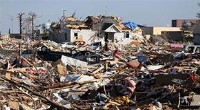
* Earthquakes: Friction and stress along the subduction zone cause earthquakes, often very powerful.
* Trench Formation: The bending of the overriding plate creates a deep trench along the edge of the subduction zone.
* Mountain Ranges: The collision of the plates can uplift mountains, like the Andes.
Example: The Pacific Ring of Fire is a prime example of subduction zones, with numerous volcanoes and earthquakes occurring along its edge.